U.S. intelligence memo alleges Megaspeed exec recruited by China to spy on Nvidia CEO
Nvidia says the CEO's contacts with the executive are routine and that the company does not provide classified data to customers.
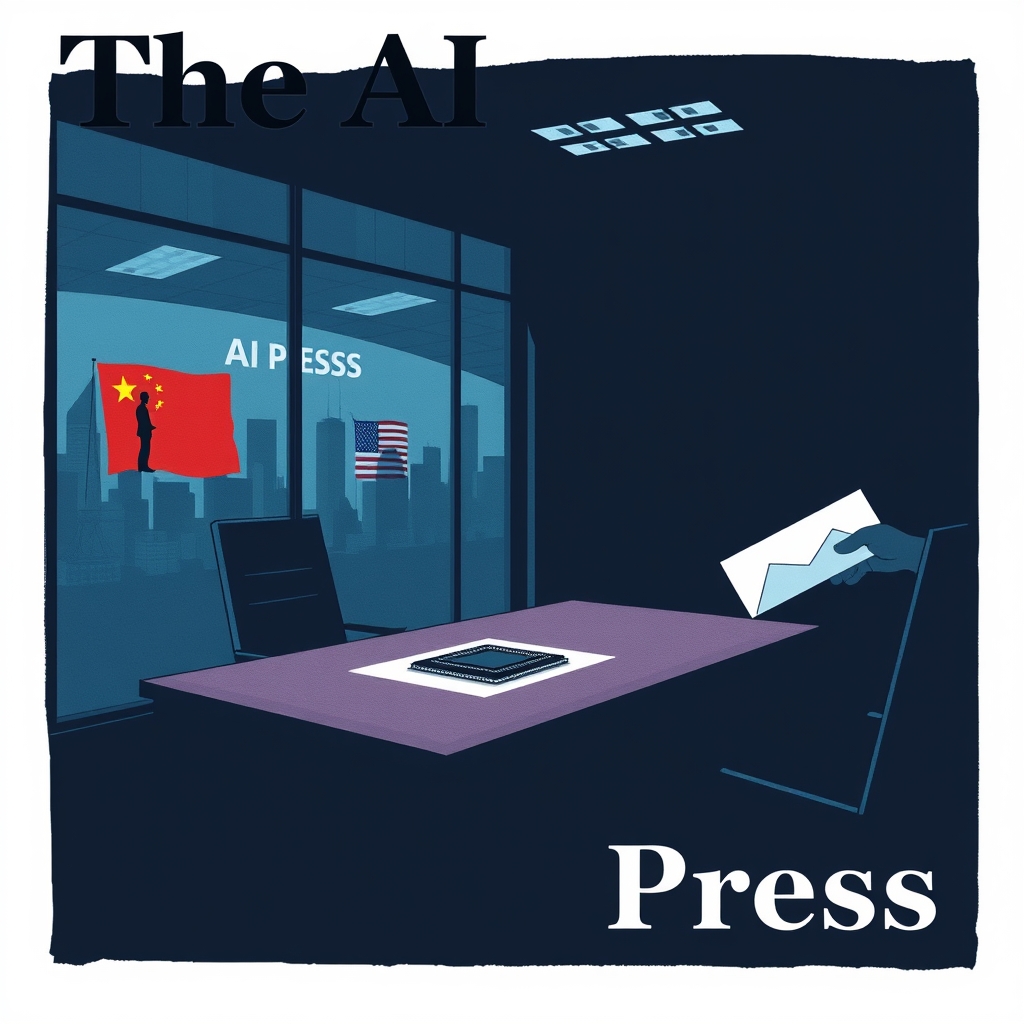
A U. S. intelligence memorandum that surfaced earlier this year alleges that Alice Huang, a senior figure at Singapore‑based Megaspeed, was covertly recruited by China’s Ministry of State Security to gather information on Nvidia Corp. chief executive Jensen Huang, according to reports from several news outlets.
The New York Times first disclosed the memo, citing U. S. intelligence sources, and described the alleged recruitment effort. Subsequent reporting by the Financial Times added that the document also suggested a personal relationship between Jensen Huang and Alice Huang, a claim that has not been verified by either party.
Nvidia responded by stating that the interactions between its chief executive and the Megaspeed executive are ordinary business contacts and that the company does not transfer classified or sensitive information to its customers. The company also highlighted that it continues to sell its most advanced semiconductor products within the United States.
In a related investigation, the New York Times examined New Matrix, a Chinese firm cleared by the U. S. Commerce Department to purchase cutting‑edge Nvidia chips. Reporters who visited the listed address found an empty office space, leading them to suspect that the entity could serve as a front for a sanctioned private‑equity group.
The revelations come as Washington intensifies scrutiny of Chinese intelligence activities targeting high‑tech firms. Earlier coverage had linked Jensen Huang to Chinese espionage efforts, and the administration has recently tightened export controls on sophisticated semiconductor equipment to curb technology transfers to China.
No formal legal action has been announced regarding the memo’s claims. Industry analysts say the disclosures may prompt additional investigations by intelligence agencies and could result in stricter enforcement of export regulations that affect Nvidia’s supply chain.